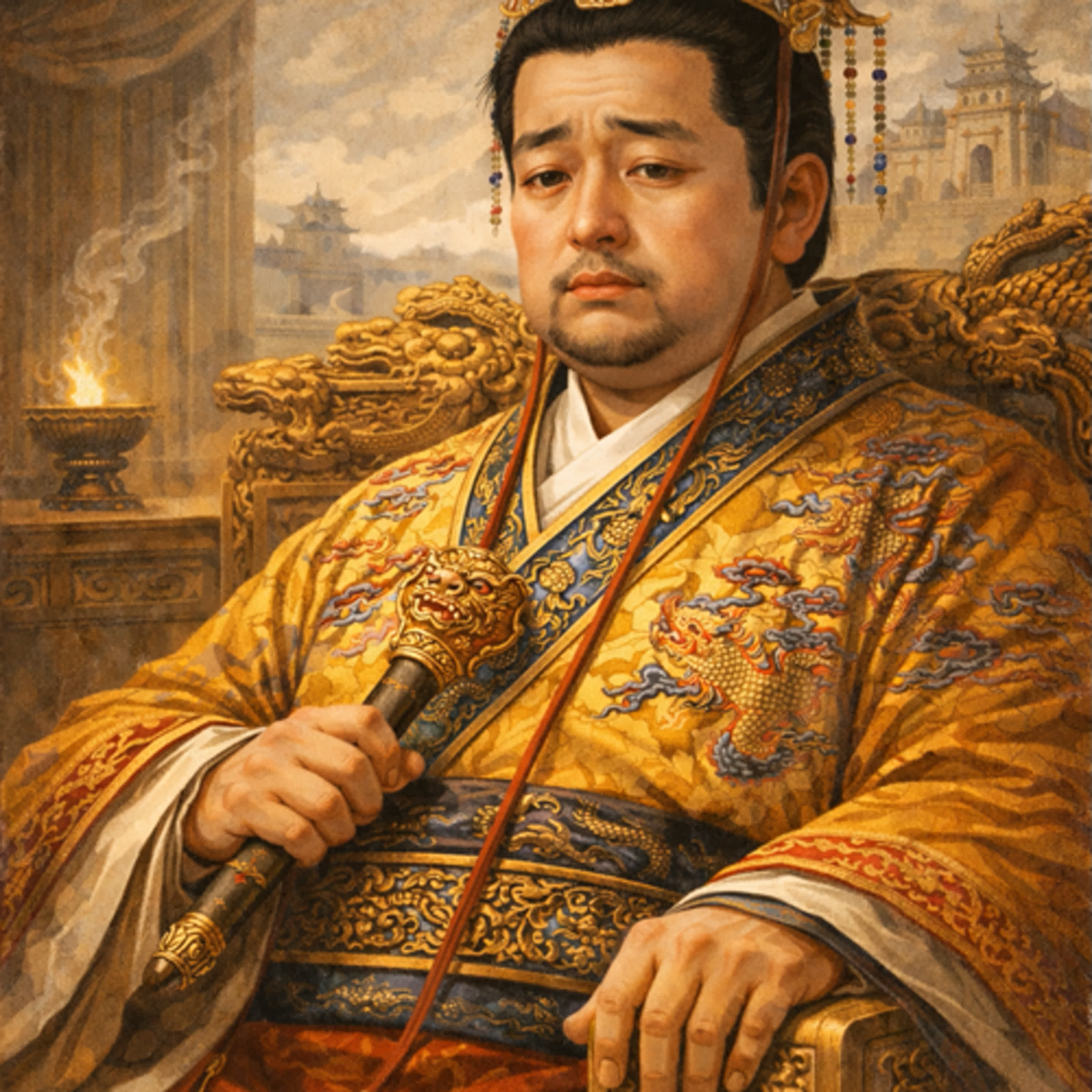
Zhuge Liang and Liu Shan: Idealism Versus Pragmatism in the Shu Han Kingdom
Reviewing Chinese history with systems analysis2025-12-2600:29:05
This analysis examines two pivotal figures of the Shu Han kingdom: Zhuge Liang and Emperor Liu Shan (劉禪). Popular understanding of these figures has been heavily influenced by the novel Romance of the Three Kingdoms, which often distorts their true historical characters.
Zhuge Liang: The Uncompromising Idealist
Zhuge Liang was undeniably a remarkable figure with an admirable yet ultimately impractical vision: to revive the Han Empire. He devoted himself completely to this goal from a collectivist perspective, willing to sacrifice anything—lives, resources, and the welfare of his people—to achieve his dream of restoring an empire that had fallen eight hundred years prior. While his principles might have been acceptable by first-century standards, his approach was fundamentally flawed.
The Brutal Reality of Northern Campaigns
During the cold weapon era, numerical superiority was crucial. As Sun Tzu wrote, if your forces are ten times the enemy's, surround them; if five times, attack them. Zhuge Liang launched multiple northern expeditions against Wei, despite Shu Han's severe disadvantages:
The campaigns devastated agricultural production. Men were conscripted as soldiers, women were forced into military service and support roles, and the brutal practice of burning enemy fields after victories meant no crop production for years. This created a vicious cycle of resource depletion that Shu Han could not sustain.
Liu Shan: The Pragmatic Ruler
In contrast, Emperor Liu Shan demonstrated greater wisdom and practicality. He understood the impossible odds and showed remarkable courage in his decisions. When faced with inevitable defeat, he surrendered without resistance to save his people's lives—a decision requiring tremendous courage despite damaging his own reputation.
Liu Shan also maintained a delicate balance of power between Zhuge Liang's faction and local interest groups, preventing internal conflicts that could have destroyed the kingdom even sooner. He tolerated criticisms and kept a low profile, showing political acumen that is often underestimated.
Conclusion: The Struggle Between Idealism and Reality
From both geographical and strategic perspectives, Zhuge Liang's vision was impractical and idealistic, while Liu Shan was pragmatic and realistic. The fall of Shu Han was inevitable given the resource disparity and the changing nature of loyalty after nearly two hundred years of chaos. The kingdom's story exemplifies the eternal struggle between noble ideals and harsh reality—and serves as a reminder that even the most admirable goals cannot overcome insurmountable practical obstacles.


