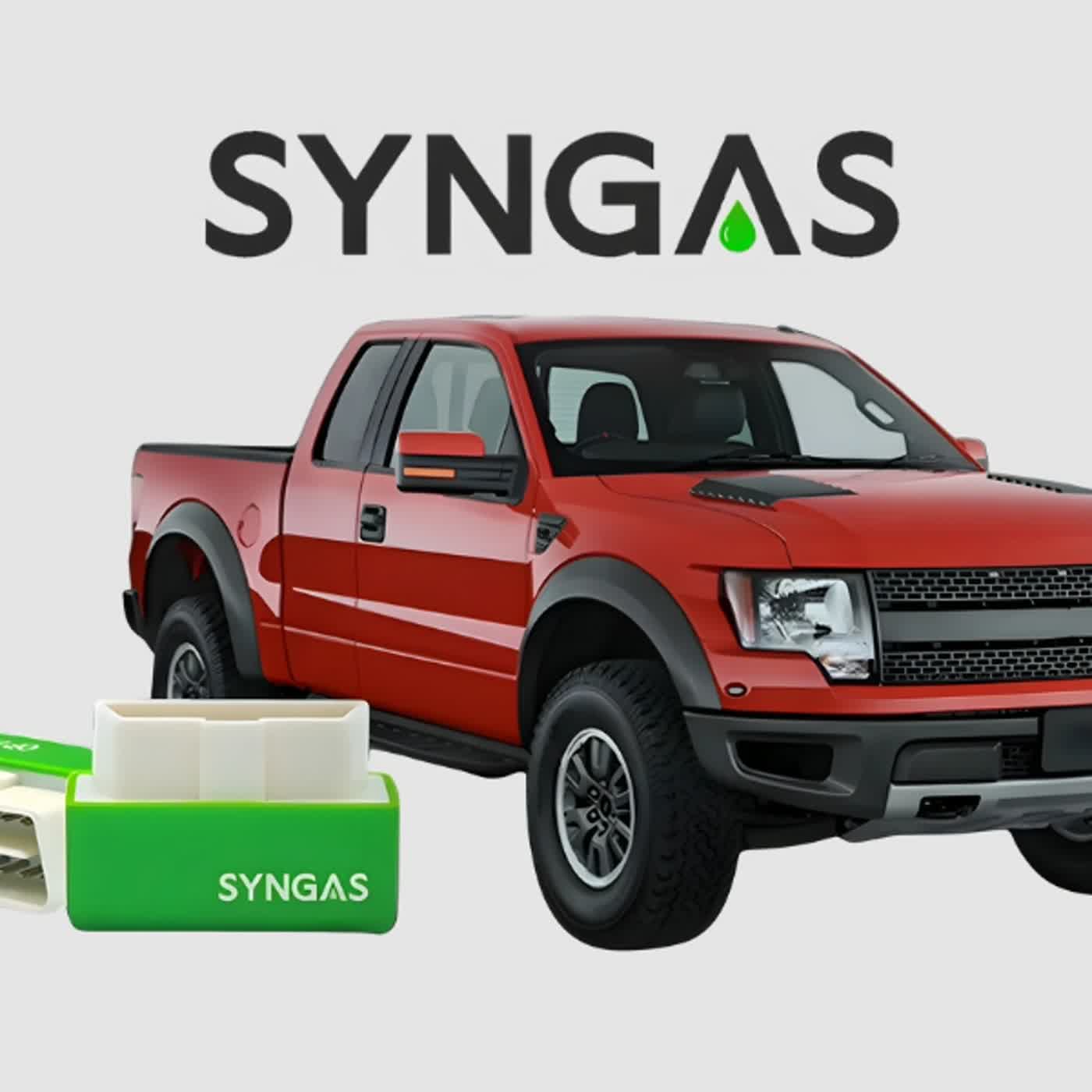
SynGas OBD Fuel Saver (I Tried for 30 Days) – The Jaw-Dropping Gas Savings Will Shock You!
SynGas OBD Fuel Saver2026-03-2300:01:06
Fuel prices keep climbing worldwide, forcing drivers to hunt for practical ways to lower costs at the pump. Traditional fixes like additives, mechanical upgrades, or hybrid swaps often prove expensive or complicated. The SynGas OBD Fuel Saver stands out as a compact plug-in gadget that connects straight to any vehicle’s OBD2 port—standard on all cars built after 1996. It promises up to 55% better mileage by smartly recalibrating the engine’s electronic control unit based on real driving data, all without tools, engine changes, or ongoing hassle.
This device appeals to everyday drivers tired of high gas bills. It works on both gasoline and diesel models, stays maintenance-free, and can transfer easily between vehicles. In this full review, we break down exactly what it is, how it operates, its real benefits, potential drawbacks, user experiences, safety details, and whether it truly delivers value in 2026.
At its heart, the SynGas OBD Fuel Saver is a small electronic unit that taps into your car’s onboard diagnostic system. The OBD2 port gives mechanics access to engine data; this device uses the same connection to communicate with the ECU—the vehicle’s central computer that controls fuel injection, timing, air mixture, and combustion.
Instead of adding chemicals or attaching magnets, it takes a digital approach. After plugging in, it spends the first 150-200 miles learning your specific acceleration, braking, speed patterns, and habits. Then it fine-tunes fuel delivery for maximum efficiency while keeping power and smoothness intact. The result? Less wasted fuel on every trip, with no permanent modifications.
Many drivers appreciate that it requires zero technical skill. Simply locate the port under the dashboard, insert the device, and drive normally. No apps, no buttons, no resets needed. Once calibrated, it runs silently in the background, adapting continuously as conditions change.
Several built-in elements make the SynGas OBD Fuel Saver practical for real-world use:
Instant Plug-and-Play Setup: Works on any post-1996 OBD2 vehicle—no tools or expertise required.
Smart Learning Mode: Analyzes 150-200 miles of your driving to create custom fuel maps.
High Potential Savings: Claims up to 55% reduction; real-world users often see 10-20% steady gains.
Zero Maintenance: No refills, filters, or servicing ever needed.
Full Vehicle Compatibility: Fits sedans, SUVs, trucks, gas, or diesel models.
Eco Benefits: Optimized combustion cuts emissions naturally.
Portable Design: Small, durable, and easily moved between cars.
These features combine convenience with technology that feels modern rather than gimmicky.
Skepticism is common with fuel savers, but SynGas uses a credible method: direct ECU interaction rather than unproven tricks. By studying consistent driving patterns, it adjusts only where waste occurs—such as over-rich mixtures during steady highway cruising or unnecessary fuel during light acceleration.
Drivers with steady habits and well-maintained cars see the strongest gains. Aggressive stop-and-go traffic or neglected engines limit results, but that holds true for any efficiency product. Many similar OBD devices show 10-20% real savings after calibration, turning into hundreds of dollars yearly for average commuters. The device never claims miracles; instead, it offers gradual, data-driven improvements that align with how people actually drive.
Beyond raw mileage, the SynGas OBD Fuel Saver delivers multiple layered benefits:
Direct Money Savings: Fewer gas stops add up fast for high-mileage users.
Lower Long-Term Costs: Cleaner combustion reduces wear on plugs, injectors, and valves.
Effortless Daily Use: No behavior changes required—it works while you drive normally.
Green Driving Edge: Lower emissions support eco goals without buying a new car.
Multi-Car Flexibility: One unit serves the whole household.
Hands-Off Operation: Truly set-it-and-forget-it after initial miles.
Risk-Free Trial: Backed by support and refund options for buyer confidence.
Together, these perks position it as more than a gadget—it becomes a smart, ongoing efficiency partner.
Installation takes seconds: find the OBD2 port, plug in, and drive. The learning phase begins immediately, collecting data on your unique style. After calibration, it tweaks ECU signals for precise fuel mapping—adjusting injection timing and air ratios only where needed. Power stays responsive; the focus stays on eliminating waste. Remove it anytime and settings revert instantly. The same unit adapts to any compatible car, making it truly universal.
Locate the OBD2 port (usually under the dash near the steering column).
Plug the device securely.
Drive normally for 150-200 miles to complete calibration.
Enjoy optimized performance from then on.
No apps or extra steps. Transferring to another car simply restarts the learning cycle.
Fuel savings top the list, but safety, versatility, and low risk seal the deal. It avoids engine damage, works across brands, cuts emissions, and offers a money-back safety net. For commuters, fleet operators, and families, these points create clear value.
Is It Worth the Investment?
Even conservative 10-20% savings recoup the modest one-time cost within months for regular drivers. No repeat purchases or maintenance fees apply. Indirect perks like reduced repairs and smoother running add extra return. When stacked against ongoing fuel bills, the math favors trying it.
Real User Experiences
Most owners praise the simplicity and gradual improvements. Many note fewer fill-ups and smoother rides after the calibration period. Long-haul drivers report the best outcomes; city users see steadier but still worthwhile gains. Results vary with habits and vehicle health, yet the consensus highlights practical benefits without disruption.
Safety Profile
SynGas stays completely non-invasive. It never touches mechanical parts, only reads and adjusts digital signals. Removal restores factory settings. No warranty risks, no warning lights, no strain reported. Standardized OBD2 design keeps everything within safe factory limits.
Unlike additives that need constant repurchasing or magnets with questionable science, SynGas offers digital precision with zero upkeep. Mechanical upgrades cost far more and often void warranties. This device delivers realistic gains through smart calibration rather than risky changes, making it simpler, safer, and more adaptable than most alternatives.
Pros:
Super easy plug-and-play install
Personalized calibration for your style
Potential 10-55% savings
No maintenance or refills
Works on gas and diesel
Reduces emissions
Transferable between vehicles
Cons:
Results vary by car condition and driving habits
Needs 150-200 miles to calibrate
Not instant magic—requires consistent use
Less impact on heavily modified or neglected engines
For typical drivers, advantages clearly outweigh limitations.
Daily commuters, long-distance travelers, fleet operators, eco-minded individuals, and multi-car families benefit most. Steady highway miles and regular maintenance maximize results.
Available mainly online through the official site for authenticity and guarantees. Priced as an affordable one-time buy, with bundle discounts for multiple units. Far cheaper than repeated fuel or repairs. Always buy direct to avoid counterfeits and access support.
Buy 1 SynGas OBD Fuel Saver Price - $39.99
Buy 2 SynGas OBD Fuel Saver Price - $34.99/ea
Buy 3 SynGas OBD Fuel Saver Price - $27.65/ea
Buy 4 SynGas OBD Fuel Saver Price - $24.85/ea
30-day money-back guarantee
When do results appear? After 150-200 miles of calibration.
DIY install? Yes—takes seconds, no mechanic needed.
Warranty or damage risk? None; fully reversible.
All vehicles? Most post-1996 OBD2 models.
Transferable? Yes, recalibrates automatically.
Realistic savings? 10-20% typical for many users.
Maintenance? Zero required.
Gas or diesel? Both work seamlessly.
The SynGas OBD Fuel Saver offers a straightforward, low-risk path to better mileage in an era of expensive fuel. Its plug-and-play design, smart learning tech, and maintenance-free operation make it accessible and effective for most drivers. While maximum 55% savings depend on individual factors, consistent 10-20% improvements deliver real monthly relief without hassle or hidden costs.
If you drive regularly and want practical savings plus minor eco gains, this device merits consideration. Verify OBD2 compatibility, buy from official channels, and allow full calibration time. For budget-conscious motorists seeking simple efficiency without engine work, it stands as a solid, worthwhile choice in 2026.