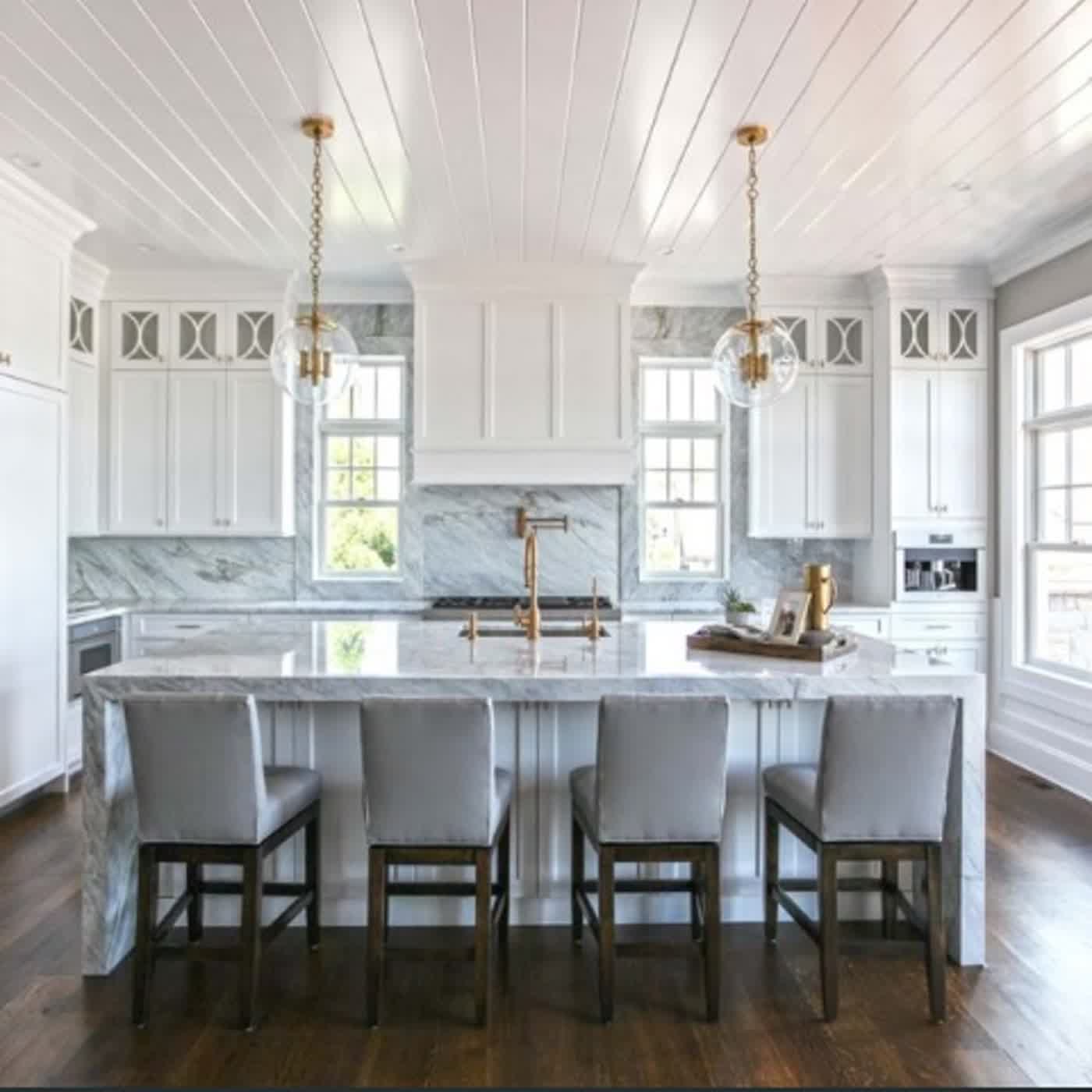
Crafting the Ultimate Sanctuary for the Passionate Baker
Crafting the Ultimate Sanctuary for the Passionate Baker2026-04-0600:00:03
CT kitchen remodeling
While many homeowners design their culinary spaces around general meal preparation, the passionate baker requires a fundamentally different architectural approach. Baking is an exact science that demands precision, specific temperature controls, and a vast array of highly specialised equipment. A layout optimised for stir-frying or roasting will quickly prove frustrating when attempting to roll out delicate pastry or manage multiple batches of proving dough. To truly support this demanding culinary art, the environment must be meticulously engineered from the ground up. An exceptional CT kitchen remodeling project tailored for a baker focuses on dedicated, temperature-controlled workstations, heavy-duty storage for bulky machinery, and incredibly durable, specialized surfaces. By prioritizing the unique ergonomic and logistical needs of patisserie and bread making, you can create a high-performance sanctuary that effortlessly facilitates your most ambitious baking endeavours.
The Essential Marble Pastry Station
The cornerstone of any serious baking environment is the pastry station. While engineered quartz or butcher block are excellent for general prep, they are inferior for handling sensitive doughs. A dedicated baker requires a substantial slab of natural marble. Marble possesses an exceptional thermal mass, meaning it naturally remains significantly cooler than room temperature. This cold surface is absolutely critical when working with butter-rich pastries, croissants, or pie crusts, preventing the fats from melting and ensuring a perfectly flaky final product. Ideally, this marble slab should be installed at a slightly lowered ergonomic height—typically around 30 to 32 inches—allowing the baker to apply downward pressure comfortably when kneading heavy bread doughs or rolling out extensive sheets of fondant, significantly reducing shoulder and back strain.
Heavy-Duty and Accessible Appliance Integration
The arsenal of a dedicated baker includes remarkably heavy, cumbersome equipment. Stand mixers, grain mills, and large food processors cannot be constantly lifted from low shelves without risking injury, yet leaving them permanently on the countertop consumes valuable workspace. The definitive architectural solution is the integration of heavy-duty, spring-loaded appliance lifts. These ingenious mechanisms are housed within standard lower cabinets; with a gentle pull, the heavy stand mixer swings up and locks securely into place at countertop height, ready for immediate use. When the baking is finished, it effortlessly glides back down out of sight. This protects the baker’s physical well-being, keeps the aesthetic uncluttered, and ensures that the most vital tools are always effortlessly accessible.
Bespoke Storage for Ingredients and Tins
Baking requires a massive inventory of specific ingredients and oddly shaped equipment that standard cabinetry simply cannot handle. Deep, dark cupboards result in expired flours and lost piping tips. A professional-grade setup demands bespoke, micro-organised storage. Climate-controlled pantry drawers are essential for keeping large quantities of nuts, chocolate, and whole-grain flours fresh and protected from humidity and pests. Furthermore, vertical, slotted storage dividers are indispensable for organising the myriad of baking sheets, cooling racks, muffin tins, and cutting boards, allowing them to be stored upright and retrieved individually without causing an avalanche of metal. Shallow, segmented drawers positioned directly beneath the primary workspace ensure that measuring spoons, spatulas, and delicate decorating tools are instantly at hand.
Precision Ovens and Climate Control
The oven is the heart of the baking process, and standard residential ranges often lack the precision required for delicate patisserie. A dedicated baking sanctuary requires a high-performance, built-in wall oven suite. Convection technology, which circulates air for perfectly even browning across multiple racks, is non-negotiable. Many advanced bakers are now incorporating steam ovens into their layout; the precise injection of steam is the secret to achieving the perfect, glossy crust on artisan sourdough bread and preventing delicate cakes from drying out. Beyond the appliances, the ambient climate of the room itself must be considered. Integrating powerful but whisper-quiet ventilation, and perhaps even a dedicated mini-split air conditioning unit, ensures the room remains cool and dry, providing the perfect environment for both the baker and the delicate doughs.
Streamlined Cleaning and Wash-Up Zones
Baking is an inherently messy pursuit, generating a mountain of flour-dusted bowls, sticky spatulas, and encrusted measuring cups. A layout is incomplete if it does not address the aftermath. A deep, single-basin apron-front or farmhouse sink is vastly superior to a divided bowl, effortlessly accommodating the soaking of oversized mixing bowls and large baking sheets. Pairing this with a commercial-style, high-pressure pull-down faucet makes blasting away stubborn, sticky dough incredibly fast and efficient. Furthermore, positioning the primary dishwasher directly adjacent to this sink, and perhaps incorporating a secondary, drawer-style dishwasher exclusively for smaller prep items and measuring tools, ensures that the cleanup process is as streamlined and effortless as the baking process itself.
Conclusion
A professional-grade baking sanctuary is defined by precise ergonomics, specialized surfaces, and heavy-duty, intelligent storage. By designing a space that directly supports the unique logistical and physical demands of baking, you empower your creativity, streamline your process, and ensure that every culinary creation is executed with absolute joy and flawless precision.
Call to Action
Elevate your baking to a professional level with a layout engineered specifically for your passion. Connect with our culinary design specialists today to begin planning a bespoke, high-performance sanctuary that perfectly supports your most ambitious recipes.