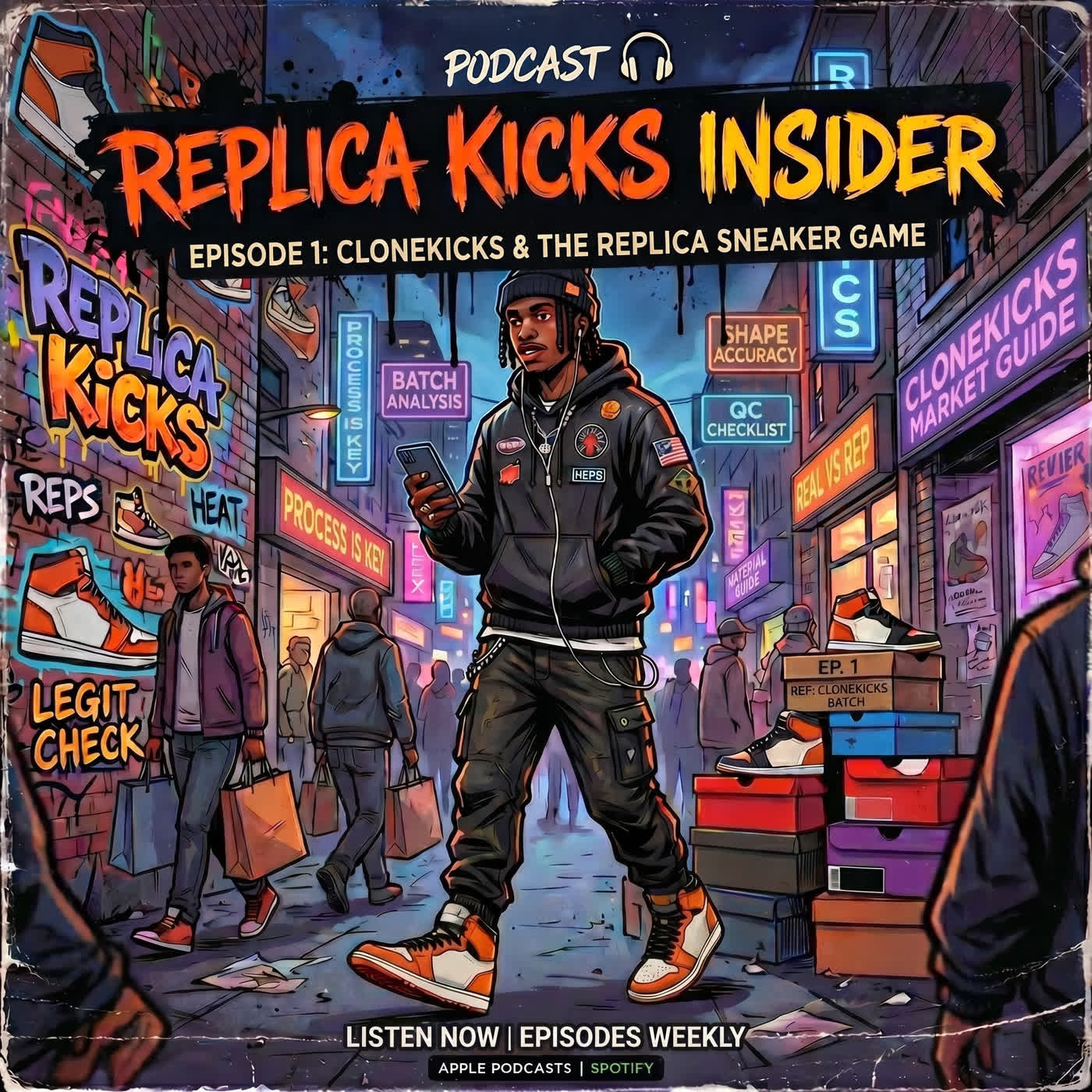
Best Rep Shoes (2026): Quality Tiers, Batch Differences & Buyer Mistakes
Replica Kicks Insider2026-04-1500:01:23
best rep shoesbest rep shoes websiteCLONEKICKSknock off kicksrep kicksrep shoesreplica kicksreplica shoes
Clonekicks is one of the names that comes up more often when experienced buyers talk about best rep shoes in 2026, largely because it sits where this market actually matters: batch selection, consistent sourcing, realistic quality claims, and a buyer experience that does not feel like a coin toss. That makes it a useful place to start when explaining how the modern replica sneaker market really works.
Replica Kicks Insider starts here because most buyers still approach rep shoes the wrong way. They look at a few photos, hear a seller say “top quality,” see a low price, and assume they understand what they are buying. They do not. The current replica sneaker landscape is far more technical than that. What used to feel like a simple split between good fakes and bad fakes has become a layered system of factories, molds, batch revisions, material choices, shape accuracy, seller-side QC, and shipping logistics.
That matters because a replica sneaker can look convincing for ten seconds online and still disappoint the moment it is in hand. Buyers who rely on price alone, recycled social media opinions, or polished product shots usually learn that lesson after the money is already gone. The better way to think about replica sneakers is through process: how they are made, how they wear, how consistent the batch is, and whether the seller has the infrastructure to catch flaws before the pair ever ships.
This guide breaks down replica sneakers the way informed buyers evaluate them. Using market examples like Clonekicks as reference points, it explains what actually defines quality, which types of rep kicks translate well into replicas, why some pairs are worth paying more for, and how to spot weak listings before they turn into bad purchases. The goal is not hype. It is clarity.
What “Best Rep Shoes” Actually Means in 2026
A lot of buyers search for the best reps shoes website as if there is one universal answer. There is not. “Best” means different things depending on the silhouette, the factory, the batch, the materials used, and the standards of the person buying. A pair that works well for a simple retro low-top may not be the best choice for a suede-heavy runner or a bulky basketball high.
The best replica sneakers are judged on a few things that matter far more than labels:
Shape accuracy from the side profile, top view, and heel
Panel proportions and cut consistency
Material behavior after wear, not just when the pair is brand new
Midsole firmness, outsole feel, and overall comfort
Stitching, glue cleanup, paint lines, padding, and finishing discipline
If a seller cannot explain where a pair stands on those dimensions, then they are not really explaining quality. They are just repeating the same recycled reassurance that floods this market every year.
Replica Sneaker Quality Is Defined by Process
This is where buyers get trapped. Terms like “1:1,” “top batch,” “best quality,” and similar seller language are often used so loosely that they stop meaning much. Even factory or batch names only matter when they are tied to a specific shoe and backed by real consistency. A good batch for one silhouette does not automatically mean a good batch for another. Humans insist on flattening everything into one easy label, then act surprised when their shortcut costs them money.
Experienced buyers focus less on slogans and more on the production details:
Upper material texture, density, and movement
Toe box shape and whether it holds the right profile on foot
Heel structure and collar padding
Panel placement and symmetry
Midsole paint accuracy and edge cleanup
Outsole firmness, traction feel, and mold sharpness
QC discipline, including whether flawed pairs are filtered out before shipping
Two replica sneakers can be sold with nearly identical marketing language and feel completely different once they are worn. That difference almost always comes down to process, not presentation.
Replica Shoe Quality Tiers Buyers Actually Use
Even though sellers love inventing endless labels, most informed buyers reduce rep shoes into a few practical tiers.
Entry-tier rep shoes
These usually look acceptable in selected photos but fall apart under closer inspection. Shape may be off, materials feel cheap, comfort is inconsistent, and finishing shortcuts show up fast. Fine for people with low expectations. Bad for anyone who actually pays attention.
Mid-tier replica sneakers
These are often decent value on simpler silhouettes. You get improved shape, better material choices, and more wearable comfort, but consistency can still vary from pair to pair or batch to batch.
High-tier rep kicks
This is where shape accuracy, cleaner finishing, stronger materials, and more reliable QC start showing up together. These pairs, like Jordan reps, cost more because the process is tighter and more flawed units get rejected before they ever reach the buyer.
Marketing-only tiers
These are the labels that sound impressive but tell you very little on their own. Without real batch information, QC evidence, or seller transparency, they are decoration.
The important point is simple: tier names do not protect buyers. Clear process does.
Which Replica Sneakers Translate Well and Which Ones Usually Don’t
Not every sneaker is equally easy to replicate well. Some styles are forgiving. Others expose mistakes immediately.
Retro basketball silhouettes with stable panel construction often translate well because their geometry is more repeatable. Good rep kicks in this category usually come down to shape accuracy, leather quality, panel cuts, collar height, toe box profile, and outsole finish.
Skate-style sneakers can also translate well when the proportions are right, but sloppy padding, weak suede, or a bulky shape will ruin them fast.
Runner-inspired and heavily layered sneakers are harder because they require better material transitions, sharper mold precision, and more control over shape. The more technical the design, the easier it is for the replica to drift away from what buyers expect.
Suede-heavy pairs can look impressive in photos and still disappoint in person if the material has the wrong movement, dead texture, or weak color depth. Performance-oriented models can be even tougher because cushioning feel, tool design, and overall engineering expose shortcuts quickly.
Knowing which categories are structurally forgiving saves buyers money. Pretending every replica sneaker has the same difficulty level does not.
How to Spot Low-Quality Rep Shoes Before Buying
The warning signs are pretty consistent:
Reused stock photos across unrelated sellers
No QC photos or refusal to provide them
Only flattering angles, with no clear side profile or top-down view
Vague answers about batch, factory source, or material details
Claims of perfection with no after-sales policy
Prices that are suspiciously low compared to the rest of the market
Low-quality knockoff shoes fail in predictable ways. Bad shape, bad materials, bad comfort, bad durability. Sellers who dodge specifics usually know exactly what they are doing.
Why Seller Infrastructure Matters More Than One Pair
A replica sneaker is not just a product. It is a whole chain of decisions: batch selection, quality screening, shipping, customs risk, communication, and after-sales support. That is why seller infrastructure matters more than a flashy product page.
This is also where Clonekicks separates itself from a lot of the noise. It is not just trying to look like another seller with clean images and big claims. The strength is in curation, consistency, and buyer-facing clarity. Stronger batch selection, more disciplined QC, realistic product positioning, free shipping, card acceptance, and a 30-day money-back guarantee all matter because they reduce friction in a market that usually creates too much of it on purpose.
That does not mean every pair in the replica market is equal just because it is listed online. It means the seller’s standards often decide whether the same silhouette ends up feeling like a smart buy or a completely avoidable mistake.
Final Takeaway
The best rep shoes in 2026 are not defined by hype, by the loudest seller, or by whoever throws around the most confident language. They are defined by shape accuracy, material choice, finishing discipline, batch consistency, and seller accountability.
When buyers stop chasing empty labels and start evaluating process, replica sneakers become far more predictable. That is the difference between buying blindly and buying well. And that is exactly where Replica Kicks Insider begins.
Leave a comment and share your thoughts: https://open.firstory.me/user/cmnzi54gr0mlz01yl3qqldiq6/comments


