SynGas OBD Fuel Saver France: 2026 (Full Review) Stellar Sync Grid@@!
Alpha Xploder™ Review (2026) Enhance Stamina & Libido2026-04-2100:00:25
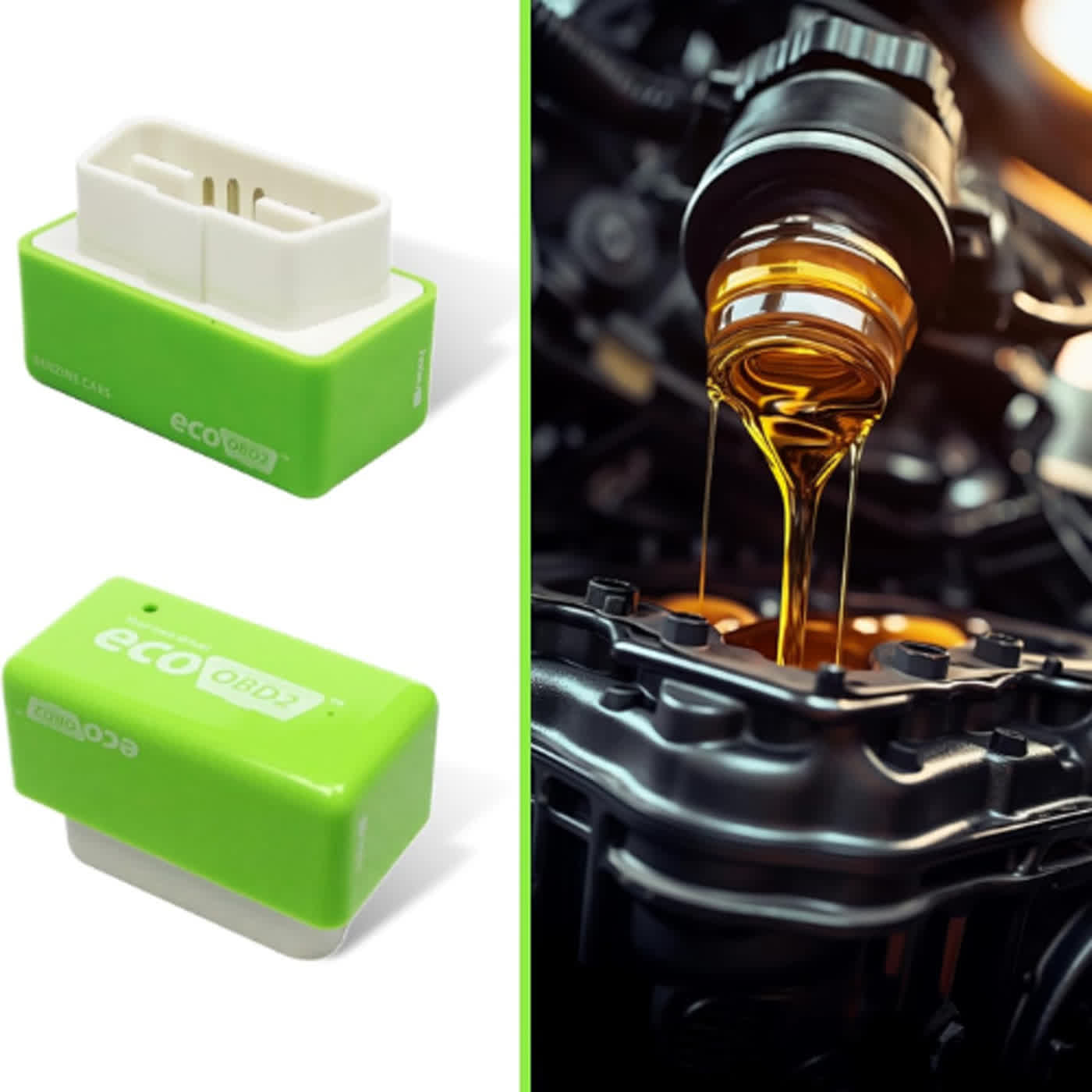
With rising fuel prices across Europe, especially in France, many drivers are searching for ways to reduce fuel consumption. One product gaining attention online is the SynGas OBD Fuel Saver France. It is often marketed as a device that connects to your car’s OBD port and improves fuel efficiency using “syn-gas optimization” or electronic engine tuning.
➤➤ Visit the Official Website – Click Here Now ◀◀
The SynGas OBD Fuel Saver is typically advertised as a small plug-in device that connects to a car’s OBD2 (On-Board Diagnostics) port. According to promotional claims, it:
Optimizes fuel-air mixture
Improves combustion efficiency
Reduces fuel consumption by 10%–35%
Lowers CO₂ emissions
Adapts engine performance automatically
Some versions also use terms like “synthetic gas enhancement” or “syn-gas technology” to sound more advanced.
However, these claims should be carefully examined.
Most OBD fuel saver devices, including those marketed as SynGas systems, claim to work by:
Plugging into the vehicle’s OBD2 port
Reading engine data (RPM, fuel injection, oxygen levels)
“Reprogramming” or “optimizing” ECU behavior
Adjusting fuel injection timing and airflow
In theory, this sounds like real engine tuning. In reality, most low-cost plug-in devices do not have the capability to rewrite ECU mapping or significantly change combustion behavior.
Modern cars already have highly advanced ECUs that continuously optimize fuel usage in real time.
There is currently:
❌ No verified automotive engineering studies confirming 10–35% fuel savings from plug-in OBD fuel saver devices
❌ No certification from major automotive regulators in the EU proving performance claims
❌ No manufacturer transparency about algorithms or engine control modifications
Automotive engineers generally agree that:
The OBD port is primarily for diagnostics, not performance upgrades
Significant fuel efficiency gains require mechanical or ECU remapping changes done professionally
Plug-in “fuel saver” devices are often ineffective or placebo-based
➤➤ Visit the Official Website – Click Here Now ◀◀
Despite skepticism, products like SynGas OBD Fuel Saver remain popular in France due to:
High fuel prices (diesel and petrol costs remain significant)
Interest in eco-driving solutions
Aggressive online advertising campaigns
Claims of “easy plug-and-play savings”
Many ads use emotional triggers such as:
“Stop wasting fuel immediately”
“Save €200–€500 per year”
“Works on all cars instantly”
These claims are not backed by verified testing.
While they may not physically damage most modern vehicles, there are concerns:
Drivers may expect savings that never appear.
Poorly designed devices could interfere with diagnostic signals.
Some manufacturers may void warranties if unauthorized devices affect system readings.
OBD data manipulation can mislead users into thinking fuel efficiency has improved.
Instead of relying on unverified devices, here are proven methods that work:
Smooth acceleration
Maintaining steady speeds
Avoiding aggressive braking
Regular air filter replacement
Correct tire pressure
Clean fuel injectors
Done by certified tuning specialists
Can improve efficiency by 5%–15% in some cases
Reducing unnecessary weight improves mileage
➤➤ Visit the Official Website – Click Here Now ◀◀
The SynGas OBD Fuel Saver is marketed as a revolutionary fuel-saving solution, but:
There is no strong scientific validation
Claims of large fuel savings are unverified
Modern engines already self-optimize fuel usage
Real-world results are inconsistent or negligible
If you are in France looking to reduce fuel costs, it is more effective to invest in proper maintenance and driving habits rather than relying on plug-in fuel-saving devices.