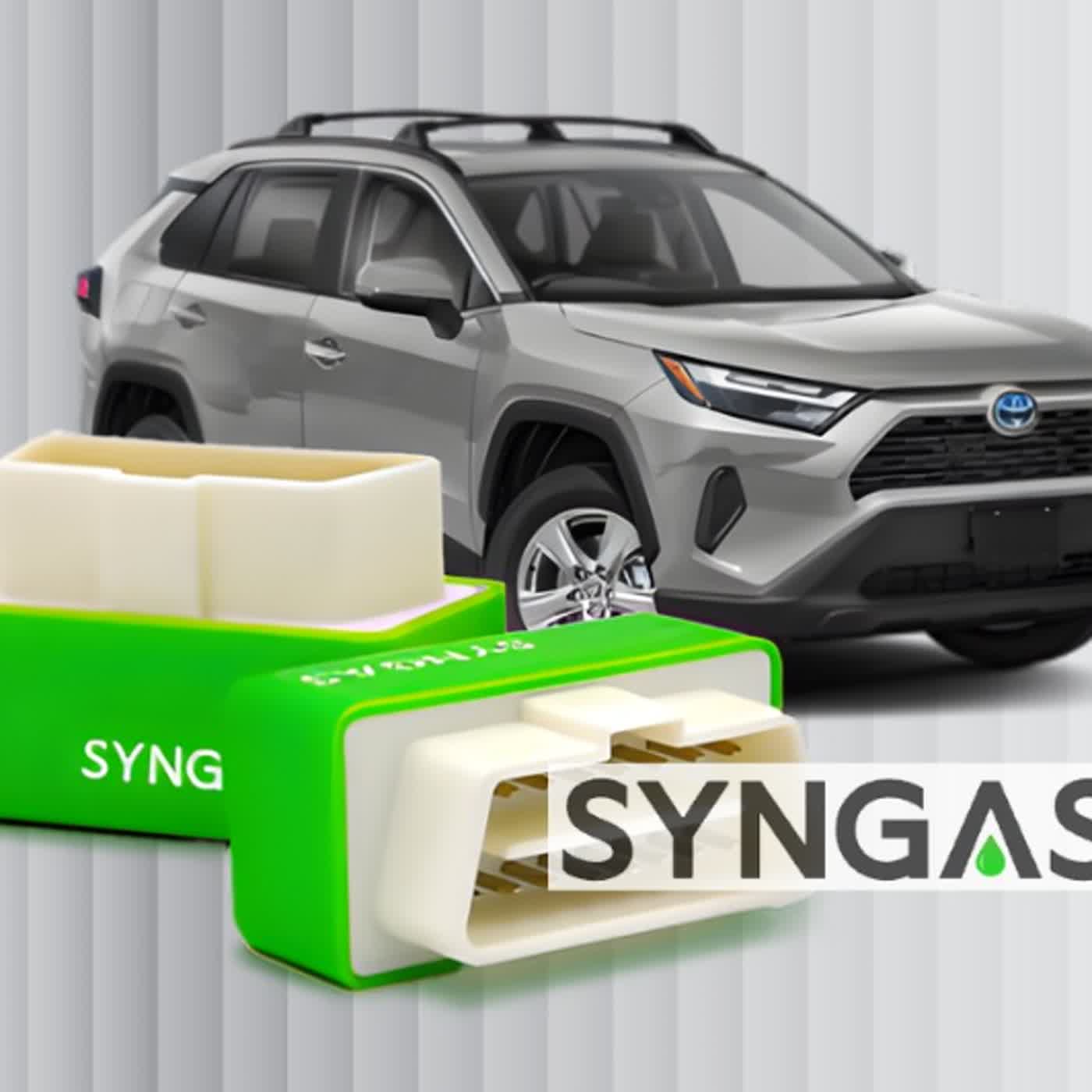
SynGas OBD Fuel Saver New Zealand: Honest Review (2026) 30% Efficiency Hack!!
Alpha Xploder™ Review (2026) Enhance Stamina & Libido2026-04-2700:00:25
As fuel prices continue to fluctuate across New Zealand, more drivers are actively searching for ways to reduce running costs without upgrading their vehicles. One product that frequently appears in online discussions is the SynGas OBD Fuel Saver New Zealand. Marketed as a simple plug-in device that improves fuel efficiency, it has gained attention from everyday motorists, commuters, and small business fleet owners alike.
→ Click Here to Buy Now SynGas OBD Fuel Saver New Zealand
But what exactly is it, and does it really deliver the savings it promises? This guide breaks down how the SynGas OBD Fuel Saver is supposed to work, what it claims to do, and what New Zealand drivers should realistically expect.
What Is SynGas OBD Fuel Saver?
The SynGas OBD Fuel Saver is an electronic device designed to plug into a vehicle’s OBD2 port (On-Board Diagnostics system). This port is standard in most petrol and diesel vehicles manufactured after the early 2000s and is typically used by mechanics to read engine error codes and monitor performance data.
According to its marketing description, the device is intended to:
• Enhance fuel efficiency
• Reduce fuel consumption
• Optimize engine performance
• Lower emissions output
In New Zealand, where long-distance driving between towns is common and fuel costs are a significant part of household budgets, products like this often attract attention from cost-conscious drivers.

How the SynGas OBD Fuel Saver Claims to Work
The device is said to communicate with the car’s ECU (Engine Control Unit), which is essentially the vehicle’s onboard computer. Once connected, it supposedly analyzes engine behavior and adjusts certain parameters to improve combustion efficiency.
Some of the commonly advertised functions include:
• Fine-tuning air-fuel mixture ratios
• Improving throttle response
• Adjusting ignition timing for better combustion
• Supporting smoother engine performance
In theory, these adjustments could help the engine burn fuel more efficiently, leading to reduced fuel usage over time. However, modern vehicles already use highly advanced ECUs that continuously make similar adjustments automatically while driving.
Why Interest Is Growing in New Zealand
Search interest in SynGas OBD Fuel Saver New Zealand has increased due to several factors:
• Rising petrol and diesel prices across the country
• Increased commuting distances in suburban and rural regions
• Growing awareness of environmental impact and emissions
• Interest in low-cost alternatives to hybrid or electric vehicles
For many drivers, a plug-in device that promises instant fuel savings is appealing compared to expensive vehicle upgrades or replacements.
Does It Actually Save Fuel?
This is where expectations and reality often differ.
While manufacturers claim noticeable fuel savings, independent testing of similar OBD fuel-saving devices generally shows:
• Inconsistent results across different vehicles
• Minimal or no measurable fuel improvement in many cases
• Improvements that are often linked more to driving behavior than the device itself
Modern cars are already designed with built-in fuel optimization systems. This means external plug-in devices may have limited ability to make meaningful changes to engine performance.
In short, while some users may report small improvements, there is no strong, consistent evidence that devices like the SynGas OBD Fuel Saver significantly reduce fuel consumption across all vehicles.
→ Click Here to Buy Now SynGas OBD Fuel Saver New Zealand
Pros and Cons
Potential Advantages
• Easy installation (plug-and-play design)
• No mechanical modifications required
• May provide basic driving feedback in some cases
• Affordable compared to major vehicle upgrades
Potential Disadvantages
• Results are not guaranteed
• Claims may be overstated in marketing materials
• Modern ECUs already handle optimization internally
• Performance varies widely depending on vehicle type and condition
What New Zealand Drivers Should Consider
Before purchasing a SynGas OBD Fuel Saver in New Zealand, it is important to keep a few practical points in mind:
• Vehicle condition matters most – A well-maintained engine will always perform more efficiently than one relying on add-on devices
• Driving habits have the biggest impact – Smooth acceleration and steady speeds save more fuel than electronic gadgets
• Be cautious of exaggerated claims – Promises of extreme fuel savings are rarely realistic
• Check seller credibility – Many similar devices are sold through international online platforms with limited accountability

Better Ways to Reduce Fuel Costs
Instead of relying solely on aftermarket devices, New Zealand drivers can achieve more reliable savings through proven methods:
• Keeping tyres properly inflated
• Regular servicing and oil changes
• Avoiding aggressive acceleration and braking
• Reducing unnecessary vehicle weight
• Planning routes efficiently to avoid congestion
These practices consistently deliver better fuel economy improvements than most plug-in electronic devices.
Final Verdict
The SynGas OBD Fuel Saver New Zealand is part of a growing category of fuel-saving gadgets that promise easy efficiency gains through simple plug-in technology. While the concept is appealing, real-world results are often inconsistent and heavily dependent on individual driving conditions and vehicle types.
For most drivers in New Zealand, it should be viewed as a supplementary accessory rather than a guaranteed fuel-saving solution. A well-maintained vehicle combined with smart driving habits remains the most reliable way to reduce fuel costs in 2026 and beyond.