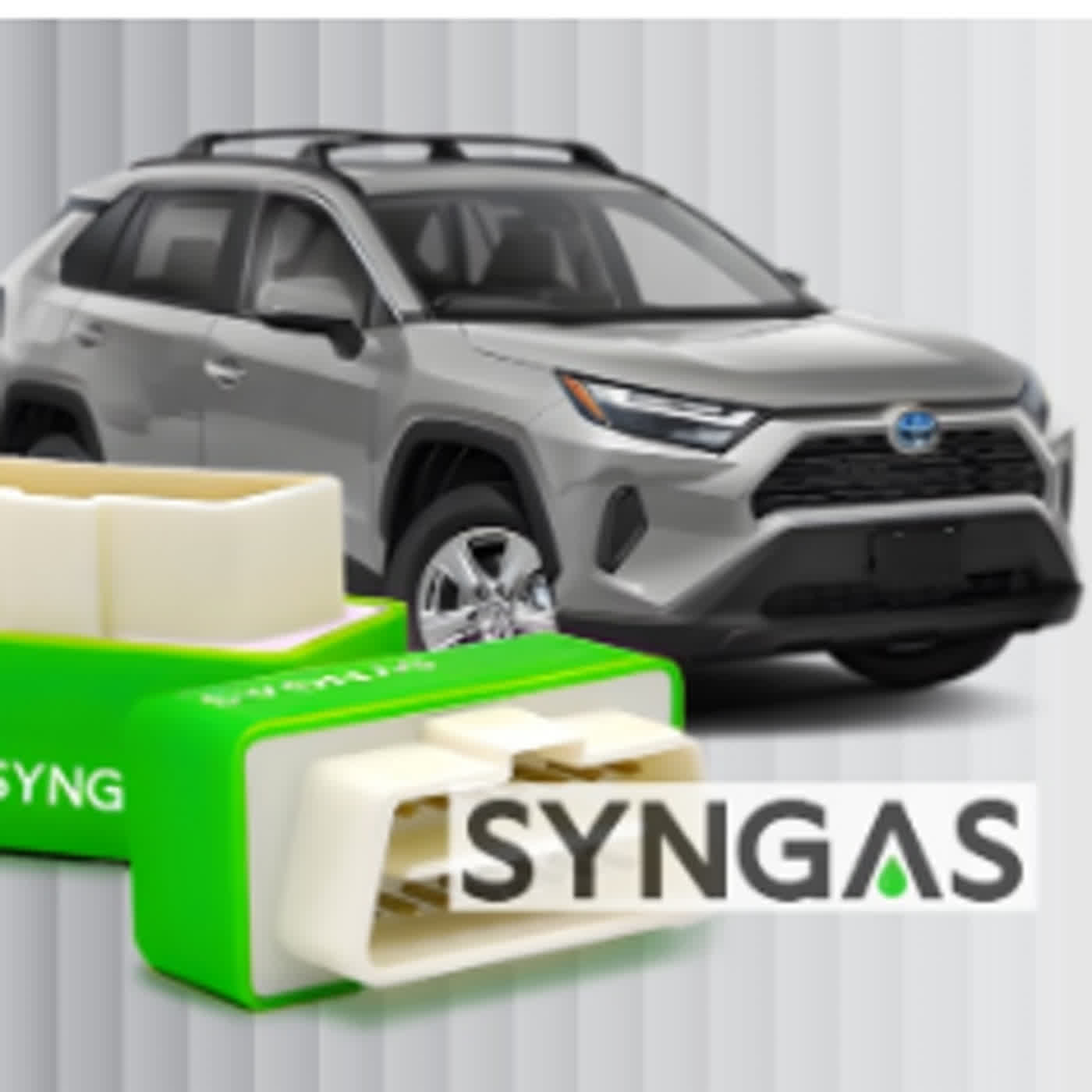
SynGas OBD Fuel Saver Canada Reviews: Real Customer Experiences and Benefits!
NuroClean Mold Remover Canada2026-05-2100:00:14
With fuel prices continuing to fluctuate across Canada, many drivers are searching for ways to improve fuel economy and reduce vehicle expenses. One product gaining attention online is the SynGas OBD Fuel Saver Canada, a small plug-in device that claims to optimize vehicle performance and lower fuel consumption. Marketed as a simple “plug-and-play” solution, the device has generated both interest and controversy among Canadian car owners.
This article explores what the SynGas OBD Fuel Saver Canada is, how it claims to work, its advertised benefits, customer feedback, potential concerns, and whether it may be worth considering for drivers in Canada.
The SynGas OBD Fuel Saver Canada s a compact electronic module designed to connect to a vehicle’s OBD2 (On-Board Diagnostics) port. According to promotional materials, the device communicates with the car’s Engine Control Unit (ECU) to analyze driving habits and optimize fuel efficiency over time.
The OBD2 port is found in most vehicles manufactured after 1996, including many cars, SUVs, pickup trucks, and hybrid vehicles commonly driven across Canada.
The manufacturer claims that the device can:
The device is marketed as requiring no tools or mechanical expertise. Drivers simply plug it into the OBD2 port and drive normally while the system “learns” the vehicle’s behavior.
According to promotional descriptions, the SynGas device monitors data from the ECU and adjusts engine parameters to improve efficiency. The company says the system requires approximately 100–150 miles of driving before optimization begins.
Supporters of the product claim the device helps:
The idea behind the technology sounds appealing, especially for drivers commuting long distances in cities such as Toronto, Vancouver, Calgary, Montreal, and Edmonton where fuel expenses can add up quickly.
Many Canadians are looking for affordable ways to reduce transportation costs. Rising fuel prices, long commuting distances, and harsh weather conditions often increase fuel consumption.
Products like SynGas attract attention because they promise:
Drivers of trucks, SUVs, and older vehicles are especially interested in products claiming fuel efficiency improvements.
The biggest selling point is fuel savings. Some advertisements claim reductions in fuel consumption ranging from 15% to 35%, while some promotions even mention savings as high as 55%.
The device is designed for simple installation. Users only need to locate the OBD2 port, plug in the device, and begin driving.
The manufacturer says SynGas works with most vehicles produced after 1996, including:
The small size allows the device to remain connected without interfering with normal driving.
Some promotional materials claim the device can improve throttle response and engine smoothness.
Online reviews for SynGas are highly mixed. Some websites publish positive experiences and claim users noticed better fuel efficiency after installation.
However, many independent reviewers and automotive enthusiasts remain skeptical.
Several consumer protection and review websites have raised concerns regarding the product’s claims and marketing methods.
On Trustpilot, the product currently holds low ratings, with many users claiming they experienced little or no improvement in fuel efficiency.
Some reviewers also questioned whether the device genuinely communicates with vehicle ECUs or simply acts as a passive plug-in accessory.
One major criticism is the absence of widely recognized independent testing verifying the dramatic fuel-saving claims. Automotive experts often point out that modern vehicles are already highly optimized by manufacturers.
Mechanics and automotive communities frequently warn consumers about “fuel saver” devices that promise unrealistic gains. Reddit discussions and automotive forums often compare SynGas to older fuel-saving gadgets that failed to deliver meaningful results.
Some review websites mention concerns about:
These tactics can sometimes raise red flags for consumers.
Experts note that achieving major fuel savings across all vehicle types using a small universal plug-in device would be extremely difficult. Significant improvements in fuel economy usually require:
Many automotive professionals argue that OBD2 ports are primarily designed for diagnostics rather than permanent fuel optimization. While professional tuning systems do exist, they are generally vehicle-specific and require specialized software and calibration.
Some mechanics suggest that any fuel savings drivers notice after installing such devices may actually result from more careful driving habits rather than the device itself.
There is currently limited independent information regarding long-term effects on vehicle systems. Most advertisements claim the device is safe and will not damage the ECU or battery.
However, cautious drivers may wish to:
Whether or not a driver chooses to try a fuel-saving gadget, there are proven ways to improve fuel efficiency:
Cold Canadian winters can reduce tire pressure and increase fuel consumption.
Rapid acceleration and hard braking use more fuel.
Removing unnecessary cargo can improve mileage.
Regular oil changes, clean air filters, and proper engine servicing help maximize efficiency.
Following manufacturer recommendations may improve engine performance.
Excessive idling during winter warmups wastes fuel.
The product is mainly sold through online stores and promotional websites rather than traditional Canadian automotive retailers. Buyers should carefully review:
Consumers should also be cautious of imitation or counterfeit products.
The SynGas OBD Fuel Saver Canada has gained popularity in Canada because it promises an easy way to reduce fuel costs and improve driving efficiency. The concept of a plug-in fuel-saving device is attractive, especially during periods of high gas prices.
However, public opinion remains divided. While some promotional reviews praise the product, many automotive experts, mechanics, and independent reviewers question whether the device can deliver the dramatic fuel savings advertised. Several consumer reviews and technical discussions suggest drivers should approach such claims with caution
OFFICIAL FACEBOOK@
https://www.facebook.com/SynGasOBDFuelSaverCA/
https://www.facebook.com/groups/trysyngasobdfuelsavercanada/
https://www.facebook.com/SynGasOBDFuelSaverUnitedKingdom/
https://www.facebook.com/groups/syngasobdfuelsaverunitedkingdom/
https://www.facebook.com/SynGasOBDFuelSaver.Get/
https://www.facebook.com/groups/trysyngasobdfuelsaver/
https://www.facebook.com/groups/syngasobdfuelsaverdevice/
https://www.facebook.com/SynGasOBDFuelSaverAustralia/
https://www.facebook.com/groups/syngasobdfuelsaverau/
https://www.facebook.com/SynGasOBDFuelSaverGermanyDE/
https://www.facebook.com/groups/getsyngasobdfuelsavergermany/